Dear Friend of Press Freedom,
Attacks on well-known journalists like Don Lemon are in the headlines, but noncitizens exercising First Amendment rights remain the most vulnerable. Rümeysa Öztürk has been facing deportation for 318 days for co-writing an op-ed the government didn’t like, and journalist Ya’akub Vijandre remains locked up by Immigration and Customs Enforcement over social media posts about issues he reported on. Read on for more on the state of press freedom.
What we know because of leaks
The Department of Homeland Security secretary calls leakers a threat to national security and wants to prosecute them. Federal agents raided Washington Post journalist Hannah Natanson’s home and seized terabytes of data, purportedly to aid their prosecution of leaks.
But much of what the public knows about government agencies like DHS, which includes ICE and Customs and Border Protection, is thanks to whistleblowers and leakers who have exposed the government’s increasingly unlawful conduct as it aggressively enforces immigration law across the country.
Freedom of the Press Foundation (FPF) Senior Adviser Caitlin Vogus wrote about a few recent examples.
Lemon case is an opportunity to mobilize
The public’s outrage about attacks on the First Amendment like Don Lemon’s arrest and, before that, the censorship of Jimmy Kimmel isn’t because everyone protesting is a member of their fan clubs. It’s because people genuinely care about free speech, but with everything else going on, sometimes it takes a celebrity name to get their attention.
That’s why it’s important to keep the outrageous arrests of Lemon and independent journalist Georgia Fort in the news and not let the moment pass. We’re doing our part. Our executive director, Trevor Timm, spoke at the National Association of Black Journalists’ town hall about the arrests. Our chief of advocacy, Seth Stern, wrote for The Guardian and told everyone from CNN to MeidasTouch to legal podcasts and radio shows about how the charges are both legally frivolous and an obviously retaliatory political stunt to intimidate journalists.
A journalist’s fight to fix local transparency law
Last summer, Shirley L. Smith, an independent investigative journalist from the U.S. Virgin Islands, reached out about her efforts to get lawmakers there to modernize the territory’s public records laws.
Our response was something like, “Where have you been all our lives?” We’ve spent years imploring journalists to advocate for their own legal rights. No matter what one thinks about the place of “objectivity” in contemporary journalism, there’s no need for reporters to let it get in the way of advocating for their own ability to do their jobs.
We spoke to Smith about her campaign for transparency.
Transcript exposes lies to justify ICE secrecy
Days before the federal government falsely claimed cellphone-brandishing nurse Alex Pretti was a terrorist plotting a “massacre,” a jury in Chicago acquitted Juan Espinoza Martinez on bogus charges of a murder-for-hire plot against then-Border Patrol commander Greg Bovino.
Stern wrote for The Intercept about a recently unsealed court transcript that shows the government used that case as a pretext to convince a judge to obscure an ICE agent’s face during a public court proceeding when his name, face, employment, and location were publicly listed on his LinkedIn page.
Tulsi Gabbard’s whistleblower hypocrisy
Last May, a classified whistleblower complaint alleged misconduct by Director of National Intelligence Tulsi Gabbard and another unnamed federal agency.
The whistleblower should be allowed to share their complaint with Congress. But that’s not what happened. Our Daniel Ellsberg chair on government secrecy, Lauren Harper, has more on how Gabbard, a one-time advocate for whistleblowers, is dodging transparency.
What we're reading
U.S. failed to alert judge to press law in application to search reporter’s home
If the Privacy Protection Act of 1980 is going to stop these abuses, Congress must amend it to require that evidence gathered by breaking it is immediately thrown out.
FBI couldn’t get into WaPo reporter’s iPhone because it had lockdown mode enabled
If you’re an iPhone user who is at elevated risk, enable Lockdown Mode. If you are an Android user, enable Advanced Protection. Read more tips in FPF’s 2026 journalist’s digisec checklist.
FBI spied on Washington Post reporter prior to raiding their home
The threat to press freedom from this case goes beyond seizing devices. The government shouldn’t be physically surveilling journalists.
How to film ICE
The best defense against ICE seizing your camera “is other people recording that action and then being able to use that footage as evidence in court, when you sue them,” said FPF’s Timm.
ICE knocks on ad tech’s data door to see what it knows about you
ICE wants to buy data from online ads to spy on people. Time to pass the Fourth Amendment is Not for Sale Act.
FAA’s mobile no-drone zones create First Amendment concerns
The Federal Aviation Administration’s new no-drone zones are “mind-boggling,” FPF’s Deputy Director of Advocacy Adam Rose said.
Too many FOIA requests, too little transparency
“The big, systematic problems in FOIA predate the Trump administration,” FPF’s Lauren Harper said. “I think it’s fair to say that the Trump administration is making it a hell of a lot worse.”
Lenexa police investigated author of column criticizing the department. He's ‘pissed off’
Writing op-eds is not a crime. Someone should tell police in Lenexa, Kansas, and suggest they read the First Amendment.
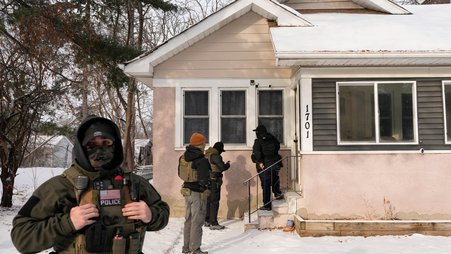
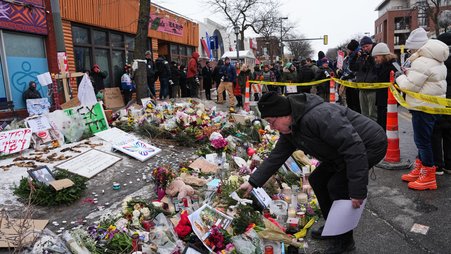
When enforcement hits home: Tips from local journalists covering immigration
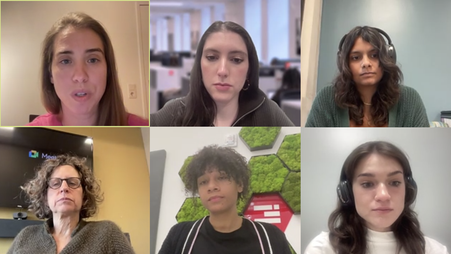
We spoke to four journalists covering immigration enforcement across the country. Watch our conversation to learn more about reporting on protests and raids, cultivating sources, and reaching the public. Watch the discussion here:
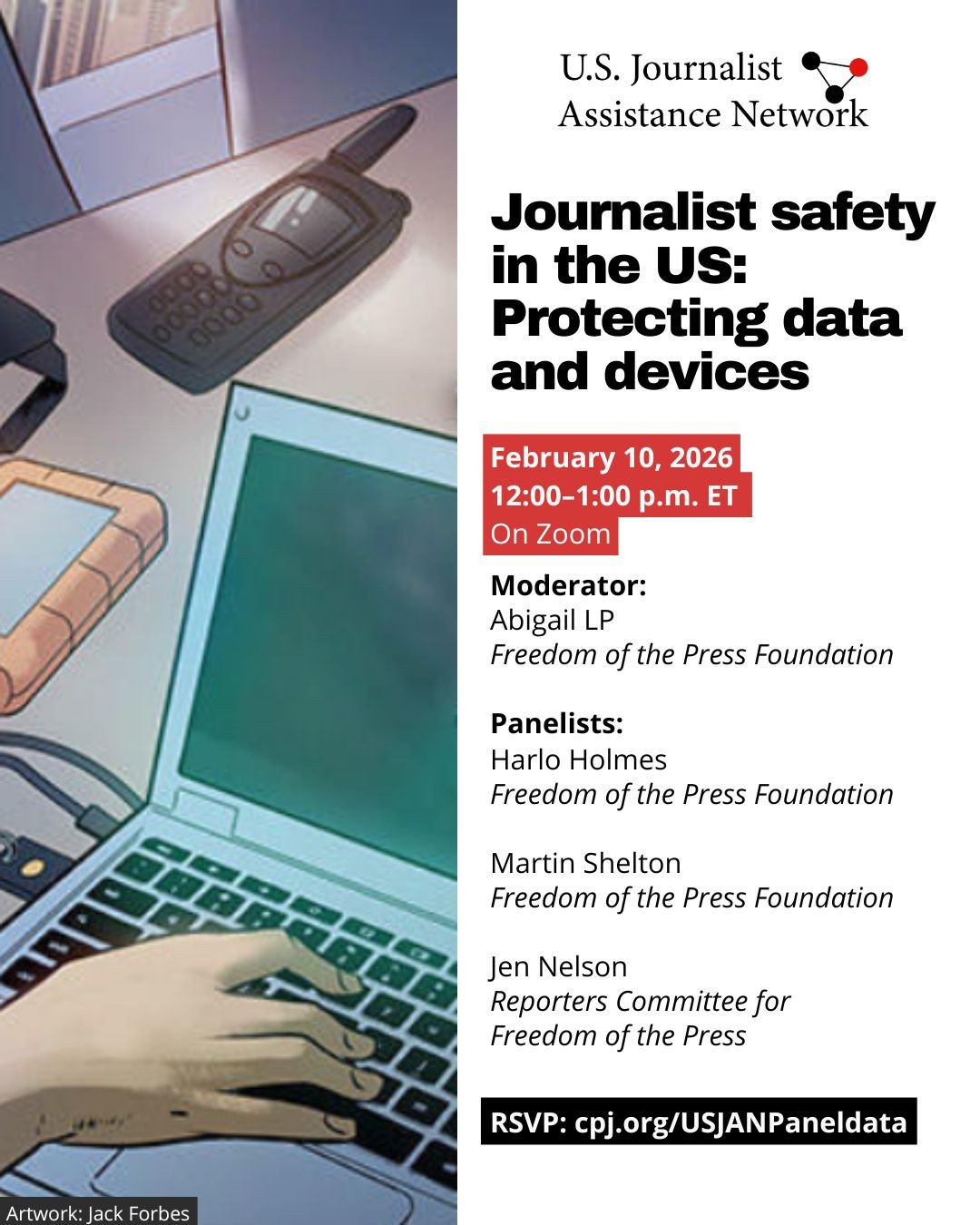
RSVP: cpj.org/usjanpaneldata