Dear Friend of Press Freedom,
Welcome to 2026. Rümeysa Öztürk has now been facing deportation for 290 days for co-writing an op-ed the government didn’t like, and journalist Ya’akub Vijandre remains locked up by Immigration and Customs Enforcement over social media posts about issues he reported on. Read on for more on the year’s turbulent start for press freedom.
House committee votes to subpoena journalist for Venezuela reporting
A motion introduced Jan. 7 by Rep. Anna Paulina Luna, R-Fla., to subpoena journalist Seth Harp passed the House Oversight Committee in a bipartisan voice vote. Luna accused Harp of “leaking classified intel about Operation Absolute Resolve, including doxxing a Delta Force commander.”
The next day, Luna wrote a letter to Attorney General Pam Bondi calling for a criminal investigation of Harp. The journalist, however, merely reported the name and publicly available online biography of the commander involved in the abduction of Venezuelan President Nicolás Maduro.
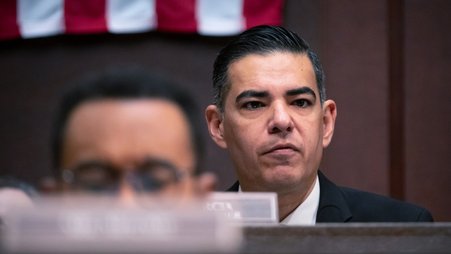
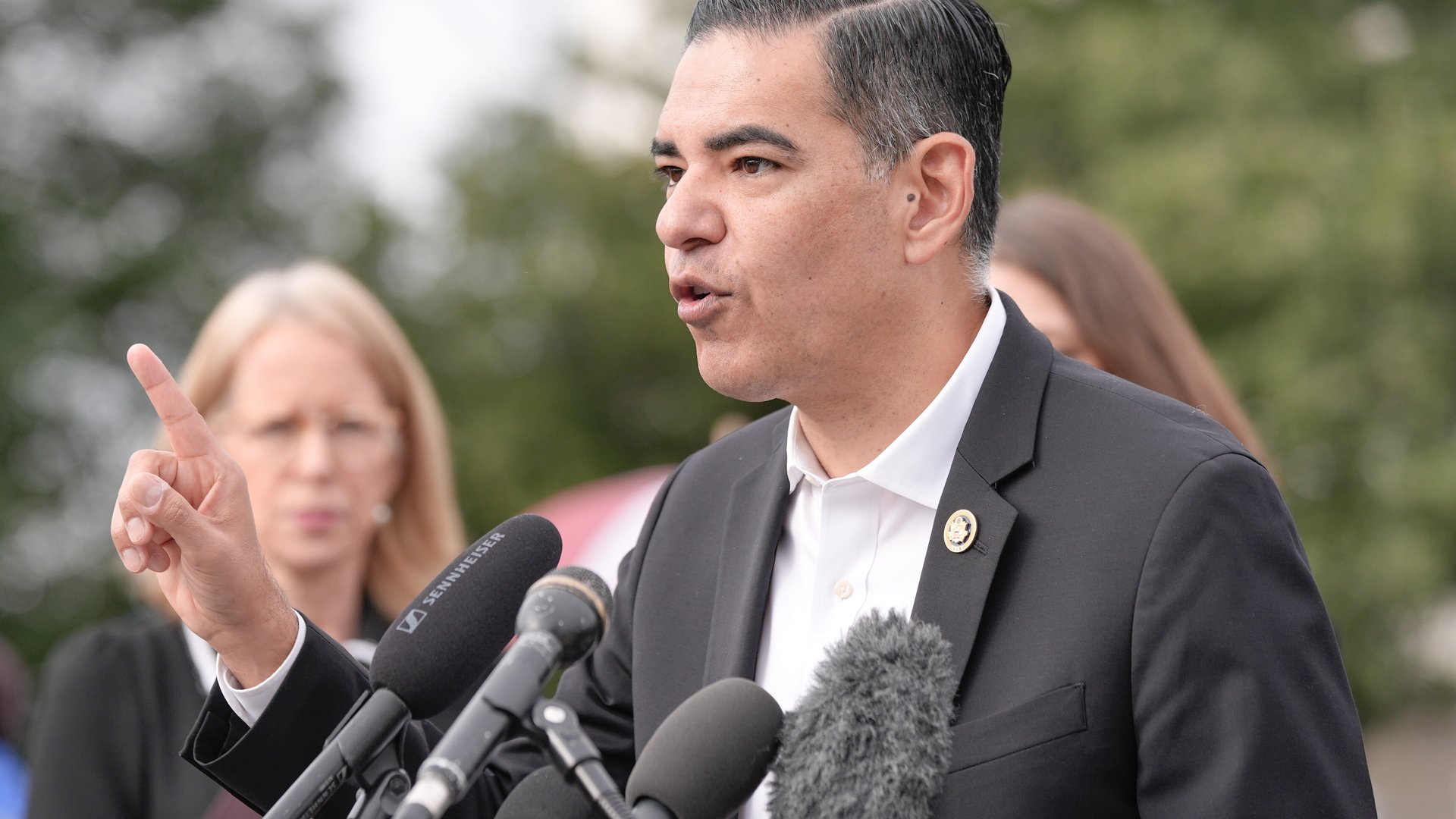
In a statement we issued with Defending Rights & Dissent and the First Amendment Foundation following the subpoena, Freedom of the Press Foundation (FPF) Chief of Advocacy Seth Stern explained that, “Identifying government officials by name is not doxxing or harassment, no matter how many times Trump allies say otherwise.” Everyone who supported Luna’s motion — including Democratic Rep. Robert Garcia, the ranking member of the oversight committee — should be ashamed.
John Cusack wants to talk about paywalls
Actor and activist John Cusack, a founding board member of FPF, spoke to Columbia Journalism Review about why more news outlets need to remove paywalls for reporting based on Freedom of Information Act requests.
“There’s an irony in the fact that FOIA-based reporting often ends up behind a paywall, because the public owns government records. We fund their creation through taxes, and we fund the agencies that produce them. We fund the FOIA office that processes the disclosure request—the entire apparatus is built on the premise that this information belongs to us,” Cusack said.
He’s not just making a moral case, though. As Cusack notes, outlets like Wired and 404 Media have seen subscriptions surge after unpaywalling their public records reporting.
The document giving ICE 80 million Medicaid patients’ data
Last year, FPF and 404 Media sued the Department of Homeland Security for a copy of a data-sharing agreement enabling Immigration and Customs Enforcement to receive personal data of Medicaid patients after the agency failed to turn it over in response to FOIA requests. A U.S. attorney working on that case then flagged that the document had quietly been released in a separate lawsuit.
At the end of December, a judge ruled that the Trump administration could resume sharing much of the data after it had been blocked from doing so, Politico reported. That means ICE can use Medicaid data in deportation cases starting Jan. 6, Politico added.
Don’t forget who really sold out CBS News
It’s easy to understand why the outrage over CBS News’ recent self-censorship and propaganda — from spiking stories to airing segments “saluting” the politicians it’s supposed to scrutinize — has largely been directed at CBS News Editor-in-Chief Bari Weiss and her boss, Paramount Skydance CEO David Ellison.
But, as Stern wrote for The Contrarian, let’s not forget who first sold out CBS News: former Paramount Chair Shari Redstone.
Transparency did not delay justice for Kelly or Epstein. Prosecutors did
One of the prosecutors who helped put sexual predator and R&B star R. Kelly behind bars wrote that releasing the Jeffrey Epstein documents without extensive redactions would hinder future prosecutions. Transparency, argued Elizabeth Geddes, would interfere with investigators gaming out 3D chess moves to build airtight cases against Epstein’s associates.
Most Americans, however, don’t share her confidence in the system that packs private prisons with small-time offenders while the Epsteins and Kellys of the world walk free for decades. In fact, there’s an excellent chance both of them would still be preying on young girls from Chicago to the U.S. Virgin Islands if not for the transparency forced by dogged journalism.
Stern and Jim DeRogatis, the reporter who broke the R. Kelly story, wrote about how misguided Geddes’ take and others like it are.
What we're reading
A rough year for journalists in 2025, with a little hope for things to turn around
The year 2025 was a dangerous one for journalists in the U.S., reports the AP, citing our U.S. Press Freedom Tracker. There were at least 170 assaults on journalists last year, 94% of them at the hands of law enforcement.
2025 left a stressed-out First Amendment
“By any measure, 2025 was a stressful year for those who worry about the First Amendment and its status as the bedrock of American liberty.”
The battle for press freedom in the streets
Journalists who experience press freedom abuses should speak out and document the incidents on social media, in their publications, and via the Tracker, FPF Deputy Director of Advocacy Adam Rose told CJR.
Filming ICE agents is a First Amendment right. So why might it land you in jail?
“There’s a reason DHS and its counterparts keep getting humiliated in court when they pretend to be victims,” Rose told Straight Arrow News. “They’re losing in front of juries, judges are calling them not credible.”