As the federal government ramps up immigration enforcement, sweeping through cities, detaining citizens and noncitizens, separating families, and carrying out deportations, journalists covering immigration have had to step up their work, too.
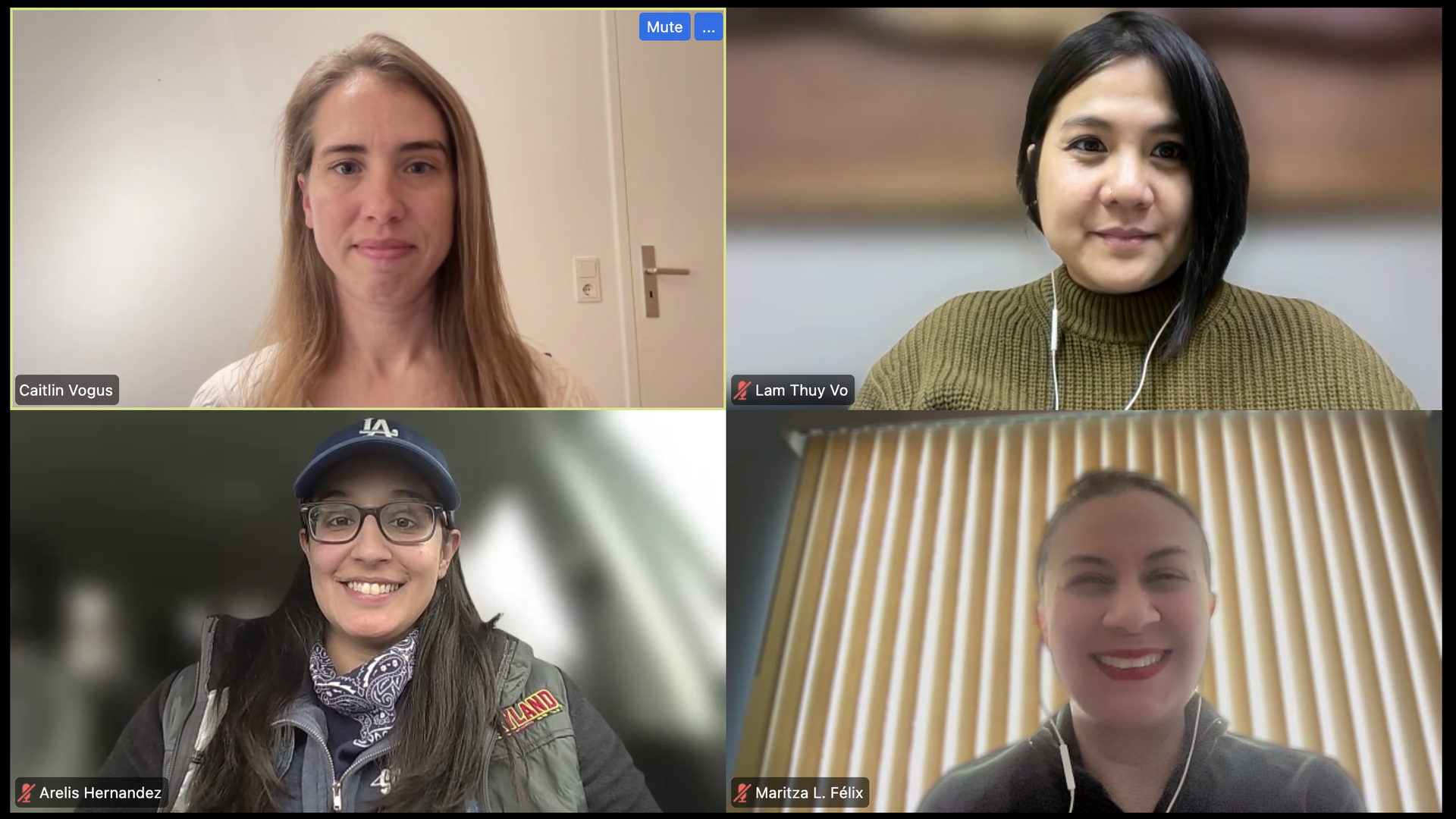
Journalists on the immigration beat today are tasked with everything from uncovering government falsehoods to figuring out what their communities need to know and protecting their sources. Recently, Freedom of the Press Foundation (FPF) hosted a conversation with journalists Maritza Félix, the founder and director of Conecta Arizona; Arelis Hernández, a reporter for The Washington Post; and Lam Thuy Vo, an investigative reporter with Documented. They discussed the challenges they face and shared how they report on immigration with humanity and accuracy, while keeping their sources and themselves safe.
Immigration reporting has grown a lot more difficult, explained Hernández, as sources increasingly fear retaliation from the government. “I spend a lot of time at the front end explaining, ‘Where will this go? What will it look like?’” Hernández said, describing her process of working with sources to ensure they participate in reporting knowingly and safely. She also outlined her own precautions, from using encrypted devices to carrying protective gear, highlighting just how unsafe conditions have become, even for U.S.-born reporters.
Like Hernández, Félix also emphasized the intense fear and uncertainty many immigrant sources experience. Other sources, however, may be unaware of the possible consequences of speaking to reporters and need to be protected as well. “I think when we’re talking about sources, particularly with immigration, we’re talking about people who are sharing their most vulnerable moments in their life, and I think the way that we treat it is going to be very decisive on their future,” she said.
Journalists who are themselves immigrants must also manage personal risk, Félix said, “but the risk is always going to be there just because of who we are and what we represent in this country.” She pointed to the arrest and deportation of journalist Mario Guevara in Georgia, saying it “made me think that could have been me” before she became a U.S. citizen. She recommended that newsrooms provide security training, mental health resources, and operational protocols for both staff and freelancers.
Both Félix and Vo, who work in newsrooms by and for immigrant communities, emphasized the need for journalists to actively listen to the people they cover. “If you’re trying to serve immigrants, build a listening mechanism, some kind of way of continuing to listen to both leaders in the community, service providers, but also community members,” Vo advised. She also recommended that journalists use risk assessments and threat modeling to plan how to protect themselves and their sources.