Communities across the U.S. are facing escalating threats from immigration enforcement operations, with federal agents moving from city to city, detaining children and community members, tear-gassing neighborhoods, attacking protesters, and even murdering people observing and filming them.
Journalists aren’t immune from the dangers. Reporters are facing harassment, arrest, and physical attacks simply for doing their jobs, all while battling pervasive government secrecy.
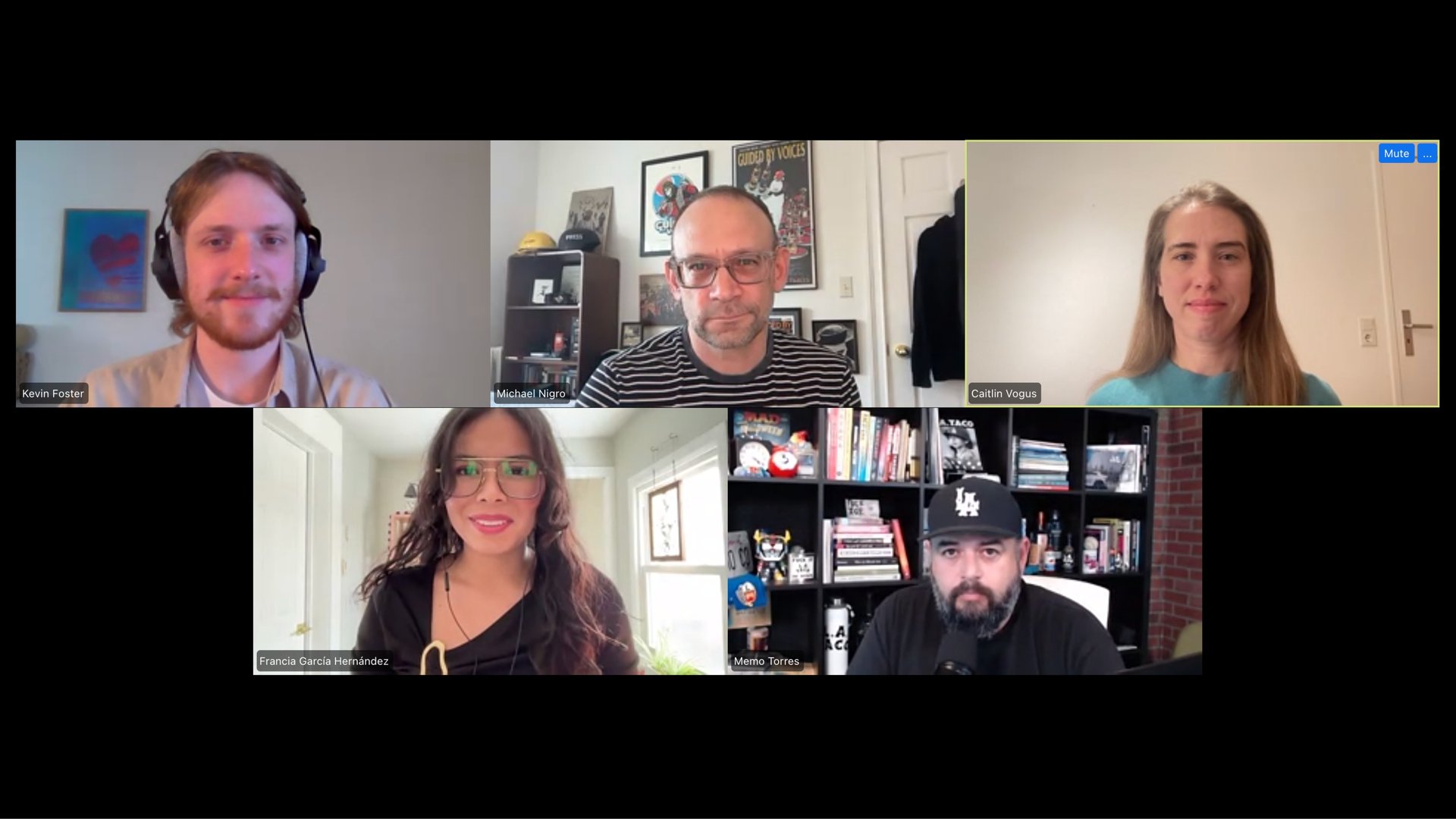
In a recent discussion hosted by Freedom of the Press Foundation (FPF), four journalists reporting from the front lines in Los Angeles, Chicago, New York, and Portland, Oregon, shared hard-earned lessons on staying safe, verifying information, building trust with sources, and keeping the public informed.
Journalist Memo Torres from L.A. Taco described how he and his colleagues responded to Immigration and Customs Enforcement raids that began in Los Angeles in June 2025 by starting the Daily Memo, a daily video recap of immigration enforcement actions often created from information, records, and pictures sent in by community members and verified by the outlet’s reporters.
Those community relationships, Torres explained, are essential. Relationships that Torres has built with sources, especially in groups organized to respond to ICE raids, have been key to verifying the videos and tips he receives, he said. “Find those people in your community, find the rapid response groups, the leaders, and try to build relationships with them,” Torres recommended. “It’s so important to be tapped into the ground.”
Echoing that point, journalist Francia García Hernández, who reports for the hyperlocal news outlet Block Club Chicago, agreed with the need to connect with sources in impacted communities, and encouraged journalists to also report on the ways they’re resisting government overreach. “I think one of the biggest misconceptions about immigration is that it’s just stories about enforcement and how families or communities are torn apart.” García Hernández said, “But there’s a lot of resistance. There’s a history of organizing that also needs to be documented and told.”
When the conversation turned to protest coverage, independent reporter Kevin Foster, who is based in Portland, Oregon, emphasized that situational awareness and proper safety equipment are key. Foster recounted incidents of officers tear-gassing large crowds at protests, including journalists, and of journalists being “kettled and arrested and batoned.” Other times, he noted, protests can be peaceful. “It really is quite dynamic,” Foster said, adding, “I think you just have to be prepared to handle that.”
Independent journalist and documentary filmmaker Michael Nigro encouraged journalists to show an “unadulterated reality” that he said is necessary for democratic accountability, and to not accept measures from the government that block transparency. Nigro recounted the making of his film “ICED Out of America,” which documented masked federal officers arresting and disappearing immigrants attending mandatory asylum court hearings held in a federal building in New York City. “Don’t let these masked agents become the new normal,” Nigro cautioned. “Don’t become complacent in seeing that.”
Watch the whole conversation here.