Constitutional limits are increasingly being replaced with commercial transactions, putting Americans’ privacy and the free press at risk. But our representatives on Capitol Hill will soon have a chance to plug that gap.
The Fourth Amendment was designed to protect us from government searches and seizures without a warrant. But government agencies can evade this requirement with the “data broker loophole” — using taxpayer dollars to buy sensitive, personal data about Americans and others from private data brokers.
Although we’ve known about this problem for a while, recent reporting about the use of data brokers for immigration enforcement has shown just how invasive state surveillance fueled by data broker purchases can be. That reporting also has important lessons for how the government could use this purchased spy power to target journalists and their sources.
Investigative outlets like 404 Media have been at the forefront of exposing how government agencies are using data brokers to power the Trump administration’s deportation campaign. The commercial data the government is exploiting can be drawn from everyday apps like those for weather, gaming, or news.
404 Media used public records to report on Customs and Border Patrol’s purchase of online advertising data that it can use to follow people’s “precise movements over time” by tracking their phones.
It also reported on Immigration and Customs Enforcement’s use of tools based on commercial location data to monitor phones in entire neighborhoods. This kind of location tracking can identify who is using a particular device by tracking where they live or work, and can then be used to follow their movements.
According to 404 Media, ICE has also turned to Palantir, a notorious data mining and surveillance company, to find neighborhoods to raid and to create dossiers on potential targets for deportation. At least one of Palantir’s tools is powered by a Thomson Reuters product called Clear, which sells “names, addresses, car registration information, Social Security numbers, and details on someone’s ethnicity.”
Together, this and other reporting make it obvious that the Department of Homeland Security is ramping up surveillance capabilities based on the data broker loophole. And this tactic isn’t limited to immigration enforcement. In the past, the government has used data it purchased to track users of a Muslim prayer app and protesters in the racial justice movement, for instance.
With the Trump administration determined to prosecute journalists and their sources, it’s reasonable to be concerned that the data broker loophole could be used in leak investigations, too. The Department of Justice has pledged to target leakers, and the FBI has already raided one reporter’s house in connection with a national security leak investigation.
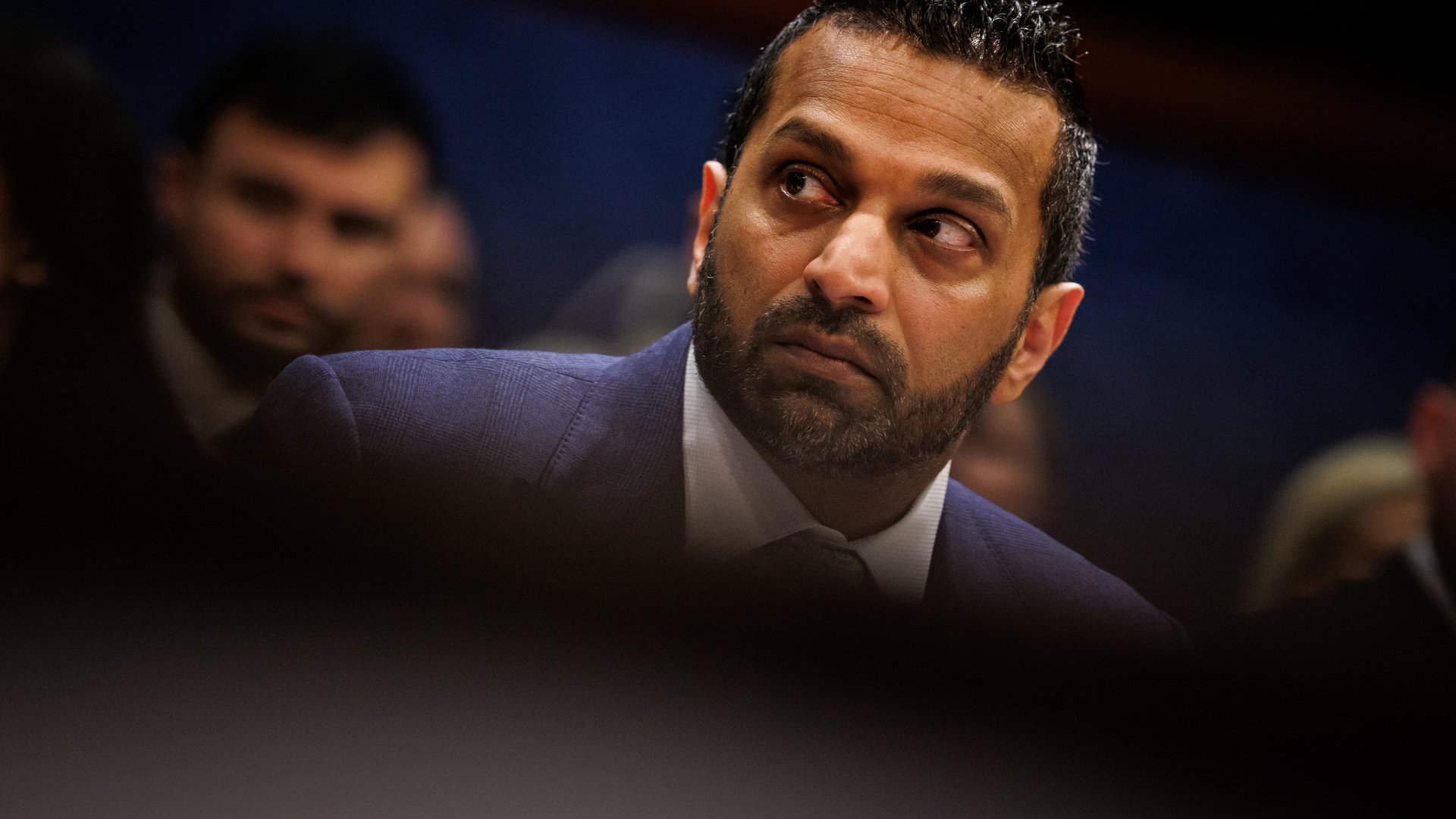
In March, FBI Director Kash Patel, who once promised to “come after” the media, testified before Congress that his agency was once again purchasing Americans’ data and location histories as part of federal investigations.
Data purchased by the government for leaks investigations could reveal reporters’ contacts with sources, with potentially devastating consequences for reporter-source confidentiality and press freedom. For instance, the government could buy location data for the devices of journalists and suspected leakers to determine if they visited the same locations at the same time. It could purchase internet records to determine if a suspected source visited a news outlet’s website or searched for a particular journalist.
The Fourth Amendment was designed to prevent exactly this kind of warrantless surveillance. But as the Center for Democracy and Technology’s Jake Laperruque noted recently, the government currently operates under a “spy first and ask forgiveness later mentality.”
Now, Congress has a rare opportunity to fix this. A new bill, the Government Surveillance Reform Act, would reauthorize and reform the government’s foreign intelligence surveillance powers under Section 702 of FISA. Crucially, it would prohibit law enforcement and intelligence agencies from buying sensitive information that otherwise would require a warrant.
Whether it’s being used for out-of-control immigration sweeps or to spy on journalists and their sources, the data broker loophole has become an insidious bypass to the Bill of Rights. The government shouldn’t be able to buy its way out of the Constitution. It’s time for Congress to close the data broker loophole.