Dear Friend of Press Freedom,
Rümeysa Öztürk has been facing deportation for 262 days for co-writing an op-ed the government didn’t like, and journalist Ya’akub Vijandre remains locked up by Immigration and Customs Enforcement over social media posts about issues he reported on. Read on for more on what we’re working on this week.
Stop the gatekeeping. The First Amendment’s for all of us
In the early days of the internet, online news confused analog-era judges, who pondered questions like, “If this is journalism then why are there no ink smudges on my fingers?” These days, First Amendment advocates tend to chuckle when thinking back on that era. But apparently it’s not quite over yet.
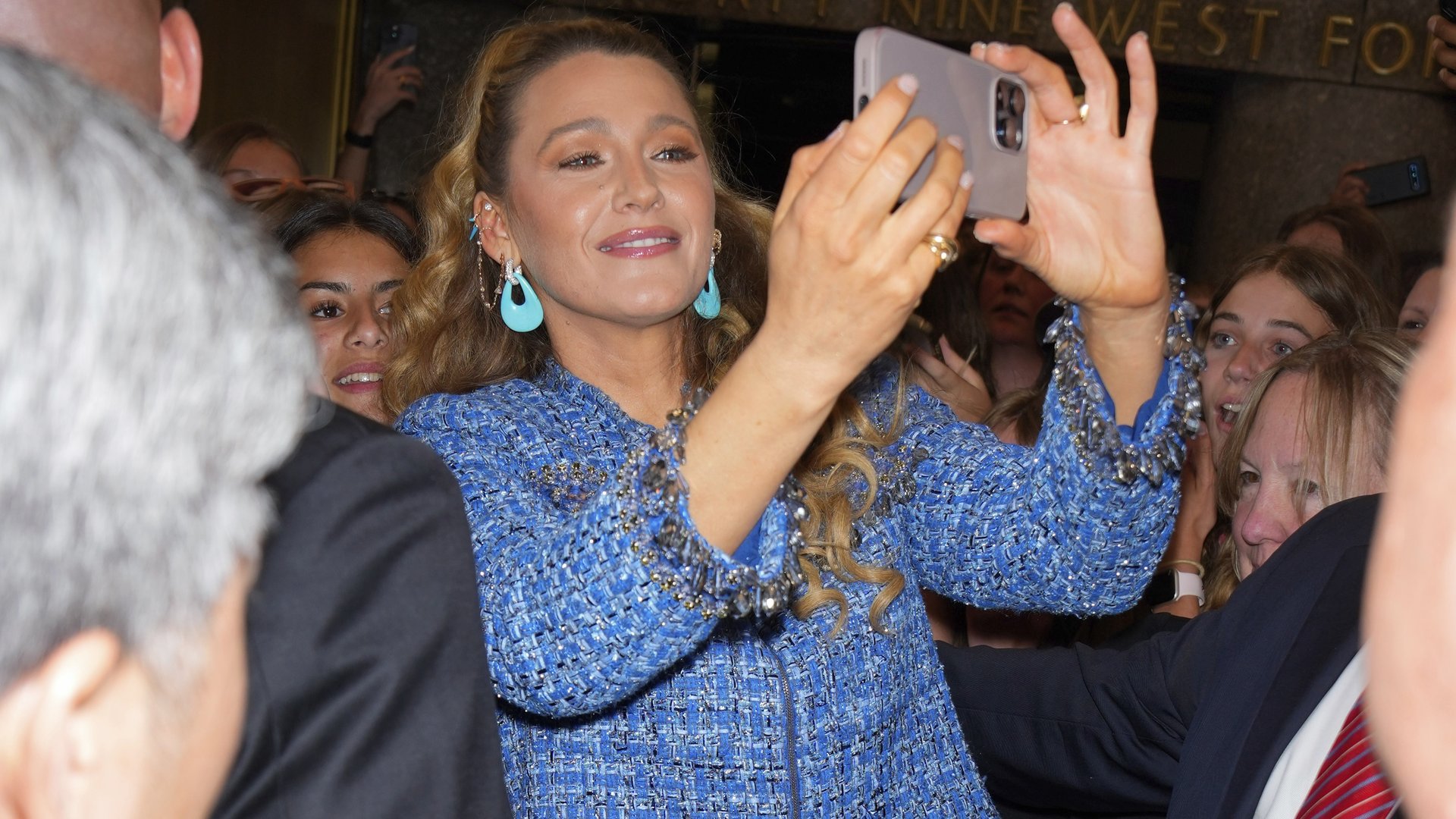
Freedom of the Press Foundation (FPF) Senior Adviser Caitlin Vogus wrote for the Sun-Sentinel about a judge in Florida’s unfortunate ruling that YouTube-based outlet Popcorned Planet can’t avail itself of the state’s reporter’s privilege to oppose a subpoena from actor Blake Lively. The court’s decision would “effectively exclude any independent journalist who publishes using online platforms from relying on the privilege to protect their sources.” If it stands, “vital information will stay buried,” she explained.
And FPF Executive Director Trevor Timm spoke to Columbia Journalism Review about another subpoena from Lively that’s testing whether celebrity blogger Perez Hilton can claim the privilege. “Hilton is gathering information, talking to sources, and publishing things in order to have the public consume them. That fits the definition of a journalist,” Timm explained. As CJR noted, FPF’s U.S. Press Freedom Tracker “was one of the few to highlight the Hilton case.”
It’s not a question of whether Popcorned Planet and Hilton are great journalists or if they pass some editorial purity test. It’s a question of whether the courts will allow litigants to chip away at First Amendment rights that protect all journalists, no matter what platform they use to report or what subjects they cover.
Administration is trolling America with its FOIA responses
As The New York Times reported this week, Immigration and Customs Enforcement claimed it has no body-worn camera footage from Operation Midway Blitz in Chicago, Illinois, despite a federal judge’s explicit order that agents wear and activate those cameras.
And as The Daily Beast reported, the Department of Homeland Security told FFP’s Daniel Ellsberg Chair on Government Secrecy Lauren Harper that Kristi Noem had no Truth Social Direct messages, despite her millions of followers. Harper requested cabinet officials’ messages in a Freedom of Information Act request after President Donald Trump accidentally publicly posted correspondence with Attorney General Pam Bondi.
As Harper told the Times, “They are trolling citizens and judges … ICE continues to feel increasing impunity and that it has the right to behave as a secret police that’s exempt from accountability.” FPF is, of course, appealing.
Don’t weaken Puerto Rico’s public records law
When the U.S. Navy quietly reactivated Roosevelt Roads Naval Station in Puerto Rico earlier this year, some residents saw the promise of new jobs, while others saw it as a painful reminder of past harms from the American military presence on the island.
Puerto Ricans — and Americans everywhere — deserve basic answers about what the military is up to as tensions escalate with Venezuela and whether Puerto Rico’s government is coordinating with the Pentagon and whether their concerns are being taken into account. And of course, there are countless local issues Puerto Ricans are entitled to be informed about.
But at the moment when transparency is most essential, lawmakers are trying to slam the door shut.
Don’t just take our word for it…
Throughout 2025 we’ve been hosting online events platforming journalists impacted by anti-press policies at the national and local levels, so you can hear directly from the people we hope will benefit from our work.
Read about three of our recent events. This week’s panel features journalists whose reporting is complicated by sources unwilling to come forward due to fear of retaliation. Last week we spoke with journalists about the difficulties of covering the immigration beat during Trump 2.0, and last month we talked about the immigration cases against journalists Sami Hamdi and Ya’akub Vijandre over their support for Palestinian rights (shoutout to our friends at The Dissenter for writing up that event). And there are even more past events on our YouTube channel.
WHAT WE'RE READING
Chokehold: Donald Trump’s war on free speech and the need for systemic resistance
In a comprehensive new report, Free Press’s Nora Benavidez analyzes how Trump and his political enablers have sought to undermine and chill the most basic freedoms protected by the First Amendment.
Press freedom advocates sound alarm over Ya’akub Vijandre, stuck for over two months in ICE custody in Georgia
We cannot just accept that “every so often the administration is going to abduct some lawful resident who said something it doesn’t like about Israel or Palestine,” FPF’s Seth Stern told WABE.
Watched, tracked, and targeted: Life in Gaza under Israel’s all-encompassing surveillance regime
A powerful essay by Palestinian journalist Mohammed Mhawish about life in Gaza “under Israel’s all-encompassing surveillance regime.”
ICEBlock creator sues Trump administration officials saying they pressured Apple to remove it from the app store
Threatening to punish app stores if they don’t remove apps the government dislikes is unconstitutional. This time it’s ICEBlock, but tomorrow it could be a news app.
Longtime LA radio exec Will Lewis dies; Went to prison in Hearst case
Many heroes work behind the scenes on press freedom. Will Lewis was one of them. A radio executive who championed public media, he spent 15 days in prison to protect sources. RIP.
‘Heroic excavators of government secrets’
Congratulations to the indefatigable National Security Archive on 40 years of clawing back the self-serving veil of government secrecy.