Dear Friend of Press Freedom,
I’m Lauren Harper, the first Daniel Ellsberg chair on government secrecy at Freedom of the Press Foundation (FPF), and welcome to “The Classifieds.” Read on to learn about this week’s top secrecy news.
Sen. Kelly: Read the boat strike memo into the Congressional Record
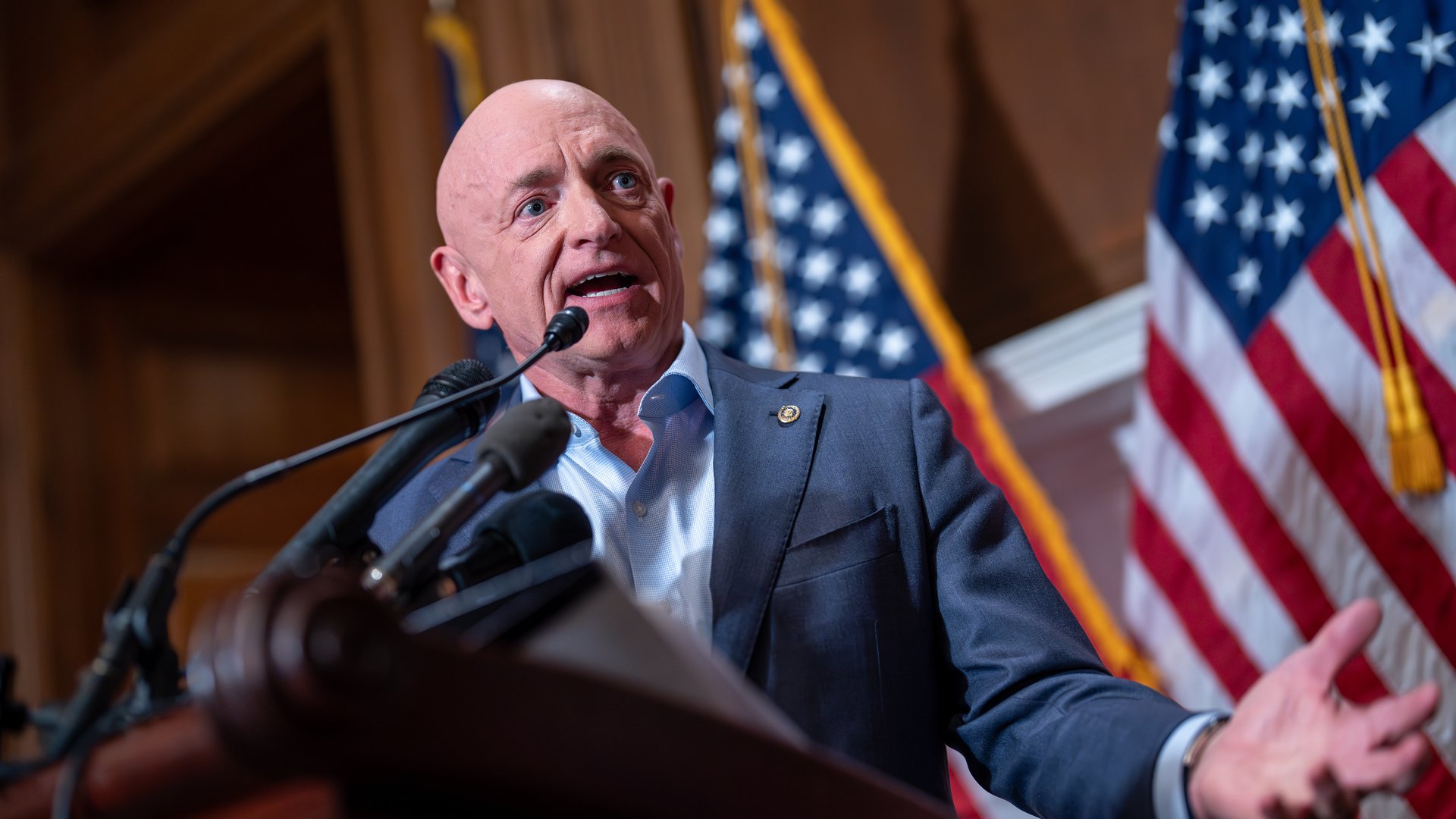
Sen. Mark Kelly recently told CNN’s Jake Tapper that he has read the Justice Department’s classified legal rationale for destroying alleged drug boats and that it should be released.
Not only is the senator right, he has the power to counter the Trump administration’s pernicious secrecy and make the document public himself.
Kelly, like other members of Congress, has broad immunity to expose government lies, thanks to the speech or debate clause of the Constitution, which protects him from arrest or inquiry for statements he makes on the floor of the Senate. (The same protection extends to congressional aides.)
He can, and should, follow the historic lead of Sen. Mike Gravel, who in 1971 read the Pentagon Papers into the Congressional Record.
You can use FPF’s action center tool to tell Kelly and other lawmakers to back up their words with action and read the memo into the record here.
Kelly should read the Trump administration’s legal justification for killing people without due process into the public record — without delay.
The document’s classified status shouldn’t stop him. In addition to Kelly having legislative immunity, records that are properly classified can still be declassified if their release is in the public interest.
The legal rationale for killing nearly a hundred people without due process meets that definition.
If Kelly truly believes the public deserves to know how the government is sanctioning these strikes, he should read the memo into the Congressional Record. We’re listening.
IRS says it will take 8 months to find an email
I filed a Freedom of Information Act request with the IRS in July for a single email from Andrew De Mello, the agency’s acting general counsel, explaining his refusal to turn over taxpayer data to Immigration and Customs Enforcement. De Mello, who noted “deficiencies” in ICE’s request to access more than 7 million people’s data in his denial, was fired shortly afterwards.
IRS recently emailed me, five months after I submitted my request, stating that it would need until March 24, 2026, to complete a search for a single email.
Luckily, the email reminded me that I had the right to sue over the delay.
The nearly one-year wait to find, much less review, a single document crystalizes two things:
- The importance of whistleblowers, leakers, and journalists for the public’s right to know anything in a timely fashion.
- The government’s abandonment of FOIA. The Trump administration, federal agencies, and Congress all have a role to play in improving our signature transparency law, and none of them are showing up.
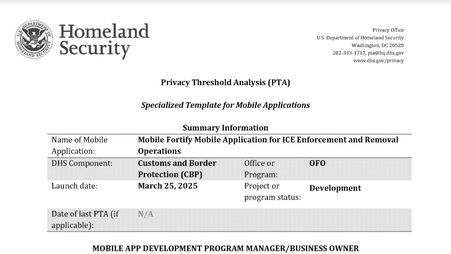
EFF sues over takedown of ICE-tracking apps
The Electronic Frontier Foundation recently filed a FOIA lawsuit against the departments of Justice and Homeland Security to see if federal demands that companies like Apple remove applications that allow users to track ICE agents were accompanied by threats — something known as “jawboning.”
FPF has a series of outstanding FOIA requests with both agencies on similar issues and will be following the EFF suit closely.
New platform uses FOIA to chronicle family separations program
The American Immigration Council has launched a new platform that uses public records and datasets to chart the Trump administration’s family separations policy. Using thousands of declassified documents, it shows “how families were literally erased from government databases, how officials misled the public, and how congressional oversight and media exposure helped end the policy.”
What I'm Reading
CISA tells staff to not speak with reporters, internal email shows
The Cybersecurity and Infrastructure Security Agency, which is part of the Department of Homeland Security, is demonstrating that it is “committed to a culture of transparency” by sending agency officials an email notifying them that they can’t speak to journalists. FPF has filed a FOIA request for the email as well as any responses to it.
VA staff flag dangerous errors ahead of new health records expansion
FOIA requests help show the Department of Veterans Affairs is expanding a medical records system so glitchy that it labels living patients as dead.
Transparently yours,
Lauren Harper
Daniel Ellsberg Chair on Government Secrecy
Freedom of the Press Foundation
This year, we’ve trained over 3,000 journalists in essential digital security skills, documented 240 press freedom violations, and filed over 250 Freedom of Information Act requests and 6 FOIA lawsuits. We can’t keep this up without your help. Donate online, via DAFpay, or our other ways to give. All donations are matched, up to $75,000.