FOR IMMEDIATE RELEASE:
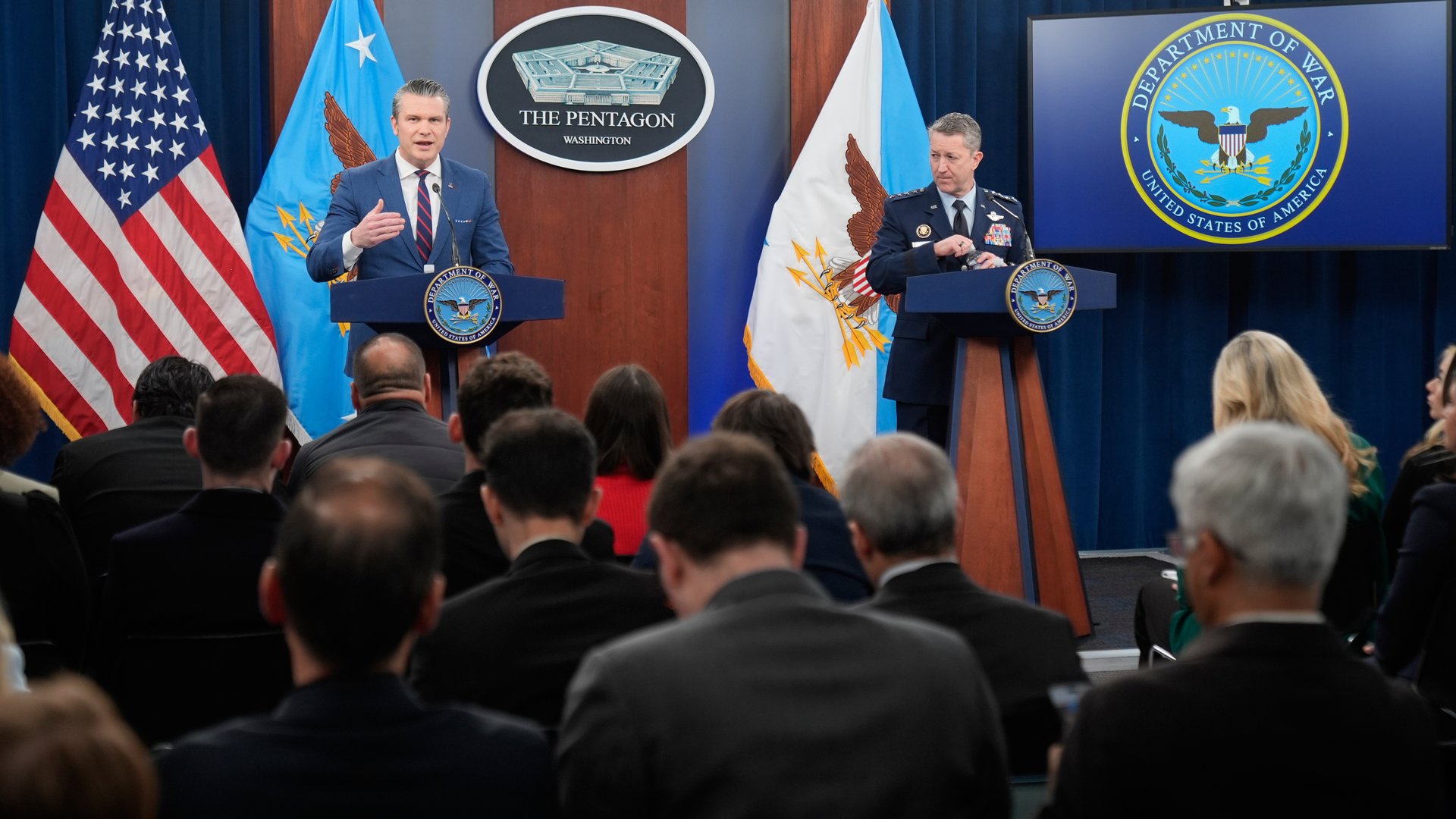
A judge today ruled in favor of The New York Times in its challenge to the Trump administration’s unconstitutional policy restricting journalists’ access to the Pentagon unless they agree not to publish information that officials don’t authorize for release.
The following can be attributed to Seth Stern, chief of advocacy at Freedom of the Press Foundation (FPF):
“The judge was right to see the Pentagon’s outrageous censorship for what it is, but this wasn’t exactly a close call. If the same issue was presented as a hypothetical question on a first-year law school exam, the professor would be criticized for making the test too easy. It’s shocking that this sweeping prior restraint was the official policy of our federal government and that Department of Justice lawyers had the nerve to argue that journalists asking questions of the government is criminal.
“Fifty years ago, the Supreme Court called prior restraints on the press ‘the most serious and the least tolerable’ of First Amendment violations. At the time, the court was talking about relatively targeted orders restraining specific reporting because of a specific alleged threat — like in the Pentagon Papers case, where the government falsely claimed that the documents about the Vietnam War leaked by Daniel Ellsberg threatened national security. Courts back then could never have anticipated the government broadly restraining all reporting that it doesn’t authorize without any justification beyond hypothetical speculation.
“It’s unfortunate that it took this long for the Pentagon’s ridiculous policy to be thrown in the trash. Especially now that we are spending money and blood on yet another war based on constantly shifting pretexts, journalists should double down on their commitment to finding out what the Pentagon does not want the public to know rather than parroting ‘authorized’ narratives.”
Please contact us if you would like further comment.