Dear Friend of Press Freedom,
More recent assaults on the First Amendment are dominating the headlines, but Rümeysa Öztürk has now been facing deportation for 297 days for co-writing an op-ed the government didn’t like, and journalist Ya’akub Vijandre remains locked up by Immigration and Customs Enforcement over social media posts about issues he reported on. Read on for more on a virtually unprecedented (and only half over) month of attacks on press freedom.
Raid of journalist’s home ignores federal law and constitutional freedoms
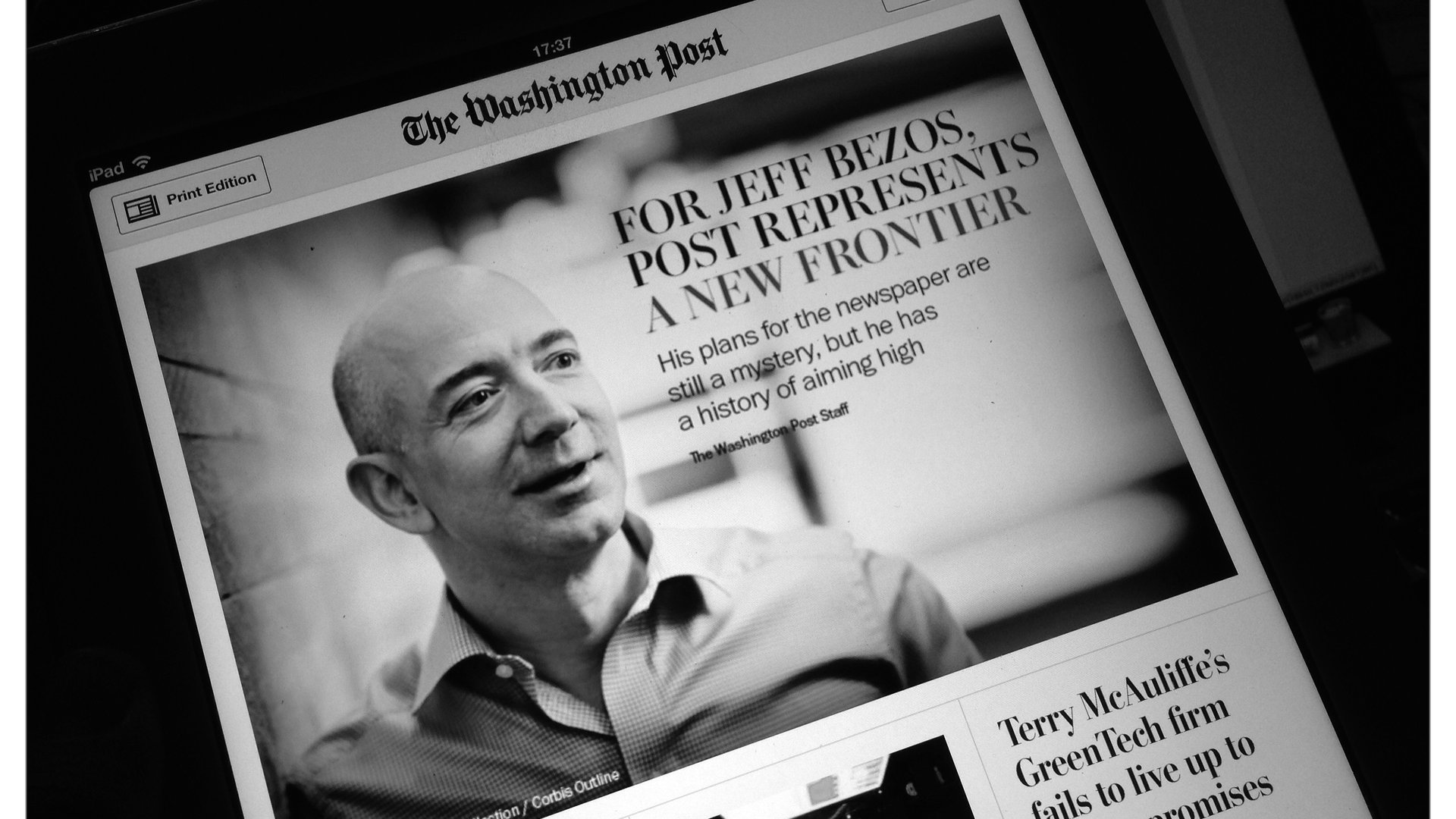
The FBI raid of the home of Washington Post reporter Hannah Natanson, reportedly to investigate a contractor accused of mishandling classified records, marked an alarming escalation in the Trump administration’s multipronged war on press freedom. All the meanwhile, Post billionaire owner Jeff Bezos remains silent.
The Department of Justice (and the judge who approved this outrageous warrant) is either ignoring or distorting the Privacy Protection Act, which restricts law enforcement from raiding newsrooms and reporters. The administration may now be in possession of volumes of journalist communications having nothing to do with any pending investigation.
Freedom of the Press Foundation (FPF) Chief of Advocacy Seth Stern, along with Chip Gibbons of Defending Rights & Dissent, wrote for The Guardian that, alarming as it was, the raid was the product of a decades-long backslide at both the federal and local level. And our Daniel Ellsberg Chair on Government Secrecy Lauren Harper wrote for The Intercept about how the raid was enabled by the Department of Justice’s revisions to its guidelines on searching journalists’ files. Harper previously exposed that the administration’s pretext for those revisions was a lie.
Reporter and security researcher Nikita Mazurov also wrote for us about measures reporters can take to minimize the risk to sources in the event of a raid or device seizure.
Don’t forget last week’s alarming intrusion on newsgathering
We told you last week about the House Oversight Committee’s bipartisan vote to subpoena journalist Seth Harp over a tweet identifying a high ranking military officer involved in the abduction of Venezuelan President Nicolás Maduro.
Democrats reportedly supported the subpoena as part of a deal to also issue subpoenas related to the Jeffrey Epstein case. That was a big mistake — journalist subpoenas are a constitutional red line, not a bargaining chip. After all, if not for the source relationships that enabled reporters like the Miami Herald’s Julie Brown to expose Epstein’s crimes, he might still be on his island preying on young girls.
Worse yet, the subpoena will allow proponents of the Natanson raid and future intrusions to legitimize and “both sides” their assaults on the Constitution. You can use our action center tool to tell Congress to clean up the mess it made.
What the Maduro ‘extradition’ means for U.S. journalists
For journalists who work online, the most dangerous assumption is that press freedom is territorial. It is not. In the digital age, journalists publish globally by default, and states increasingly assert criminal jurisdiction globally as well.
The recent assertion of U.S. authority to abduct Maduro risks normalizing extraterritorial arrests for violations of the arresting country’s domestic laws, bypassing extradition procedures and other protections. As former federal computer crime prosecutor Mark Rasch wrote in a guest post for FPF, a country with repressive press laws could use the Trump administration’s actions to justify arresting U.S. journalists at home over online publications accessible elsewhere.
Wikipedia’s 25th birthday proves the power of free speech
Over the last quarter century, Wikipedia has gone from the source that teachers universally clamored “you can’t trust it” to one of the most reliable sources in a world of “disinformation” and AI-generated slop.
As FPF senior software engineer and volunteer Wikipedia editor Kunal Mehta explains, Wikipedia can only exist because of the robust free speech and free press safeguards that protect it (for now) in the United States.
Town hall on authoritarianism and the news
Rising authoritarianism impacts the news you depend on, whether you’re making choices in the ballot box or the doctor’s office. Journalists are facing increasing dangers that impact their work and their personal lives. FPF co-sponsored a town hall, available to stream now, which takes you behind the scenes of your news in 2026.
What we're reading
Stars and Stripes job applicants are asked if they back Trump policies
The same people who spent years whining about alleged bias in government-funded media are now extracting loyalty pledges from prospective reporters and promising to refocus the newsroom of a publication that is statutorily guaranteed independence.
Who isn’t a domestic terrorist: 19th Prairieland defendant should concern us all
Any effort to criminalize use of encryption is a serious threat to press freedom — especially coming from the current administration. It’s noteworthy that this is the same prosecution in which the government seeks to criminalize possession of literature.
Mamdani names new media commissioner, undoes Adams’ 11th hour press access changes
Former Mayor Eric Adams tried to restrict press access in New York just before his term ended. Good for his successor, Zohran Mamdani, for killing the proposed rules.
I’m a community journalist in New York City. Here’s why Mamdani’s ‘influencer presser’ stung
On the other hand, Mamdani should not overlook community journalists in favor of friendly influencers. Sure, social media influences the youth, but young people also need to know how to critically consume real news so their opinions aren’t dictated by algorithms.