Dear Friend of Press Freedom,
A new bill would put some bite behind the federal law that’s supposed to protect journalists from search warrants. Tell your member of Congress to support it, and while you’re at it, tell them to pass the Daniel Ellsberg Act, too. Then keep reading for more press freedom news, including the latest on how petty Pete Hegseth is recycling old ideas to stifle the Pentagon press corps.
Tell Congress to stop newsroom raids
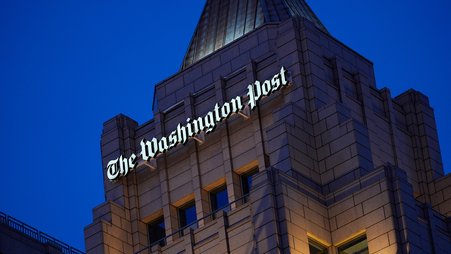
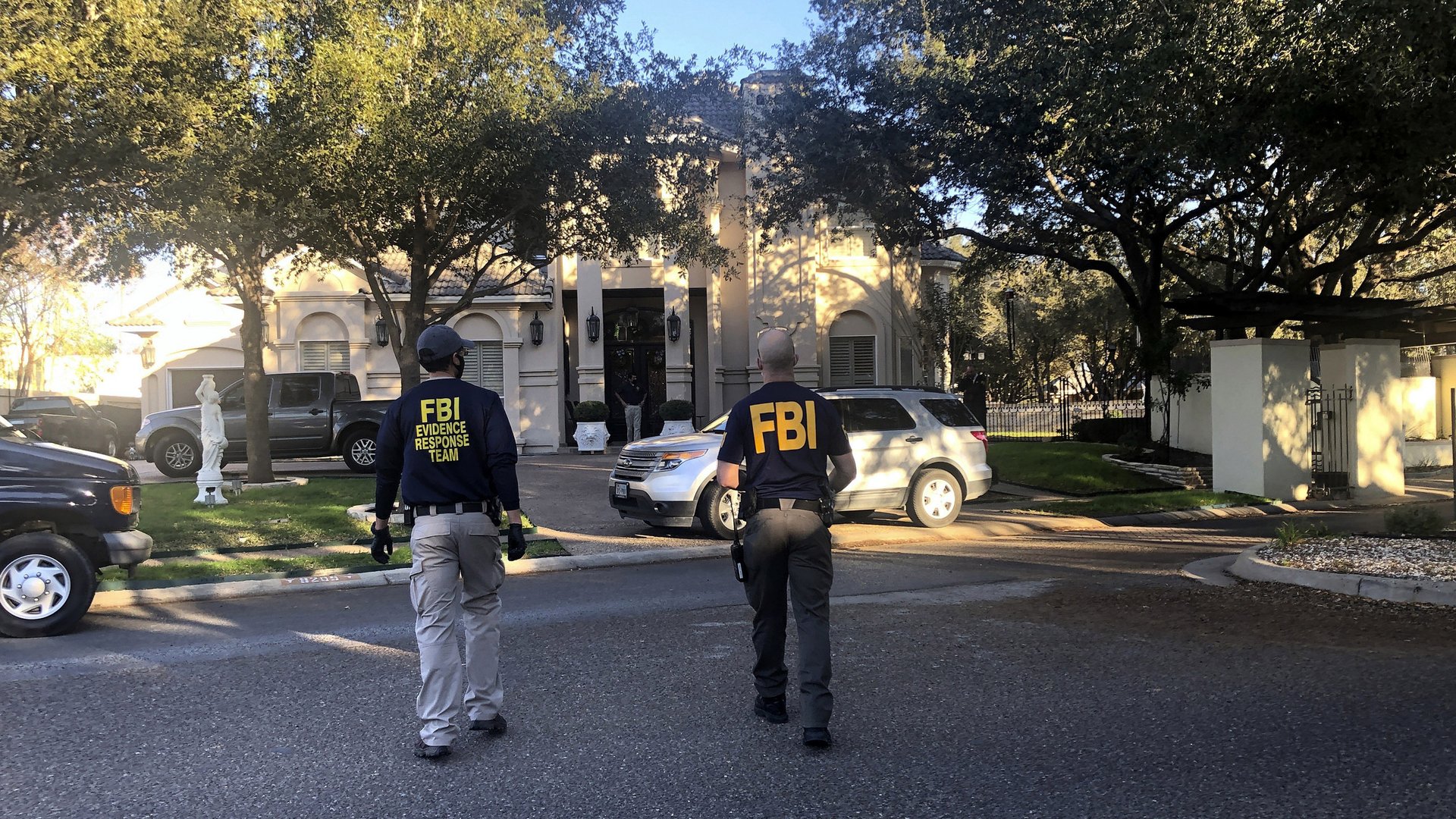
Just a few months ago, the government raided Washington Post reporter Hannah Natanson’s home based on a search warrant that failed to mention the Privacy Protection Act, the federal law that’s supposed to stop most search warrants targeting journalists.
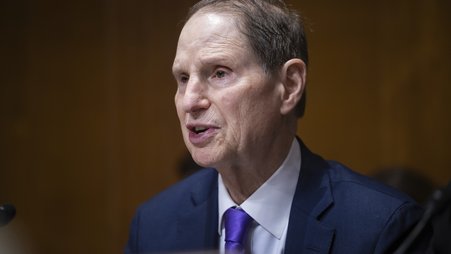
Natanson’s case isn’t the only one involving a journalist where the government has conveniently omitted the law. A new bill introduced by Sen. Ron Wyden and Rep. Becca Balint could help end this troubling pattern.
The Wyden-Balint bill is needed now more than ever, and Freedom of the Press Foundation (FPF) is proud to endorse it. Read about why the bill is necessary and tell your member of Congress to support it today.
Meet the new Pentagon press policy, same as the old Pentagon press policy
After a federal judge struck down the Pentagon’s media access policy last week in litigation brought by The New York Times, the Defense Department enacted a new policy that retains the same core constitutional problem as the original one — it allows the government to deny reporters press passes merely for asking questions. The Times has moved to compel the Pentagon to follow the judge’s ruling, calling its conduct “the definition of contempt.”
We said in a statement, “It’s past time that this administration, its officials, and its lawyers start facing real consequences for ignoring court orders and the Constitution.”
Pentagon claims asking questions is a crime
In 2017, rogue police officers in Laredo, Texas, arrested citizen journalist Priscilla Villarreal for asking government officials questions. They were rightly ridiculed, although the Supreme Court this week declined to review an awful ruling preventing Villarreal from suing them. But they were also apparently ahead of their time.
As FPF Chief of Advocacy Seth Stern explained in The Intercept, it’s now the federal government’s position that asking “unauthorized” questions is illegal. Court filings imply that the Pentagon believes journalists who ask unauthorized questions are not only subject to revocation of press passes, but to criminal prosecution.
FOIA sets a floor for transparency, not a ceiling
Our Daniel Ellsberg chair on government secrecy, Lauren Harper, wrote for MS Now about the Pentagon’s insulting justification for its restrictions on newsgathering: That journalists have “legitimate” alternatives, like Freedom of Information Act requests.
As Harper explains, FOIA is broken across the government, but especially at the Pentagon, and even more so during this administration. Even when it’s working, the law is intended to guarantee a minimum level of transparency, not be an exclusive means of obtaining news.
Government thinks First Amendment isn’t for immigrant journalists
The government made an alarming claim in response to Nashville journalist Estefany Rodríguez’s contention that her immigration arrest was in retaliation for exercising her First Amendment rights: That she doesn’t have any.
FPF Senior Adviser Caitlin Vogus explains that the reason that sounds so obviously wrong is because it is.
Watch our recent events
We participated in two important discussions this week, and you can check out both online if you missed them. Harper moderated a panel hosted by the Ellsberg Initiative for Peace and Democracy on the Trump administration’s escalating attacks against press freedom. And FPF hosted a conversation about current efforts to renew Section 702 of the Foreign Intelligence Surveillance Act without reforms to prevent illegal surveillance of communications by Americans, including journalists.
You can also use our action center to tell Congress not to renew Section 702 without reforms. And you can find the rest of our panel discussions, as well as our short videos about press freedom topics in the news, on our YouTube page.
What we’re reading
Trump isn’t just bullying journalists. He’s subverting the First Amendment
“Any Republican official who is vocal about Biden’s jawboning but silent now is someone who probably doesn’t deserve to be taken seriously when it comes to principled application of the First Amendment,” Stern said.
Kara Swisher would cut ties with CNN if Ellisons took control
“They have no interest in journalism,” Swisher said, “I’m not working for you hacks.” Paramount will tank CNN to appease Trump, just like it did CBS. Its shareholders should be objecting loudly to further public humiliation and devaluation.
Who tells the story? And whose story is it? Values and practices when reporting on ICE
When Immigration and Customs Enforcement or other federal agencies ignore press rights, editors, unions, and lawyers must be willing to step up to support journalists, FPF’s Deputy Director of Advocacy Adam Rose explained. “If you’re prevented from telling the story, then you are the story,” he said.
Trump leverages Army-Navy game to ramp up pressure on broadcasters
Maybe station owners who didn’t want to rock the boat when Trump and Federal Communications Commission Chair Brendan Carr threatened to censor the news will grow a spine now that they’re messing with real money.