From national outlets to college newspapers, reporters are running into the same troubling trend: sources who are afraid to speak to journalists because they worry about retaliation from the federal government.
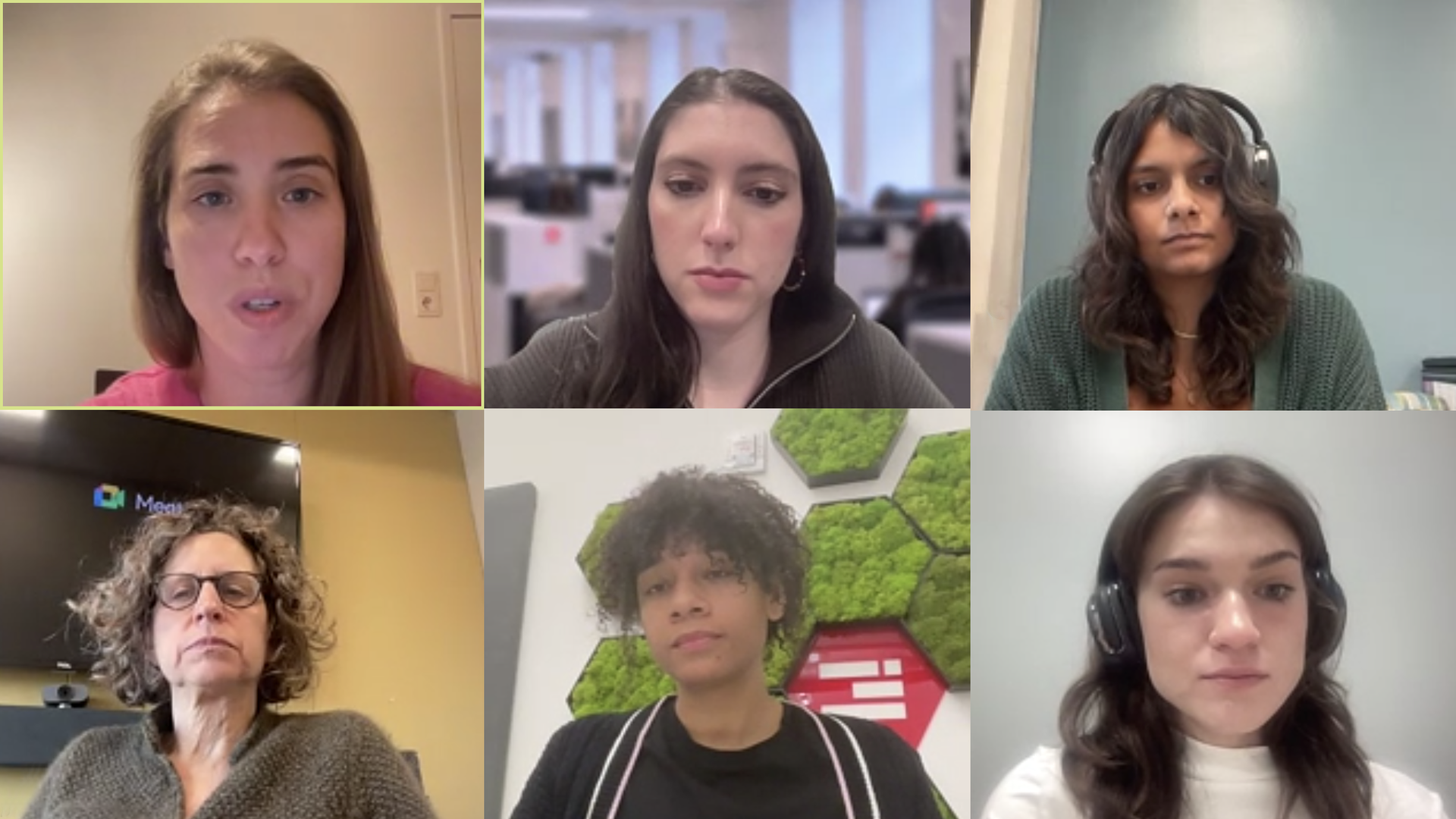
This fear, and how journalists can respond to it, was the focus of a recent panel discussion hosted by Freedom of the Press Foundation (FPF), the Association of Health Care Journalists, and the Society of Environmental Journalists. Reporters from a range of beats described how the second Trump administration has changed the way people talk to the press, and what journalists do to reassure sources and keep them safe.
For journalist Grace Hussain, a solutions correspondent at Sentient Media, this shift became unmistakable when sources who relied on federal funding suddenly backed out of participating in her reporting. “Their concerns were very legitimate,” Hussain said, “It was possible that their funding could get retracted or withdrawn” for speaking to the press.
When Hussain reached out to other reporters, she found that sources’ reluctance to speak to the press for fear of federal retaliation is an increasingly widespread issue that’s already harming news coverage. “There are a lot of stories that are under-covered, and it’s just getting more difficult at this point to do that sort of coverage with the climate that we’re in,” she said.
Lizzy Lawrence, who covers the Food and Drug Administration for Stat, has seen a different but equally unsettling pattern. Lawrence has found that more government sources want to talk about what’s happening in their agencies, but often only if they’re not named. Since Trump returned to office, she said, many sources “would request only to speak on the condition of anonymity, because of fears of being fired.” As a result, her newsroom is relying more on confidential sources, with strict guardrails, like requiring multiple sources to corroborate information.
For ProPublica reporter Sharon Lerner, who’s covered health and the environment across multiple administrations, the heightened fear is impossible to miss. Some longtime sources have cut off communication with her, including one who told her they were falsely suspected of leaking.
And yet, she added, speaking to the press may be one of the last options left for employees trying to expose wrongdoing. “So many of the avenues for federal employees to seek justice or address retaliation have been shut down,” Lerner said.
This chilling effect extends beyond federal agencies. Emily Spatz, editor-in-chief of Northeastern’s independent student newspaper The Huntington News, described how fear spread among international students after federal agents detained Mahmoud Kahlil and Rümeysa Öztürk. Visa revocations of students at Northeastern only deepened the concern.
Students started asking the newspaper to take down previously published op-eds they worried could put them at risk, a step Spatz took after careful consideration. The newsroom ultimately removed six op-eds but posted a public website documenting each removal to preserve transparency.
Even as the paper worked hard to protect sources, many became reluctant to participate in their reporting. One student, for instance, insisted the newspaper remove a photo showing the back of their head, a method the paper had used specifically to avoid identifying sources.
Harlo Holmes, the chief information security officer and director of digital security at FPF, said these patterns mirror what journalists usually experience under authoritarian regimes, but — until now — have not been seen in the United States. Whistleblowing is a “humongously heroic act,” Holmes said, “and it is not always without its repercussions.”
She urged reporters to adopt rigorous threat-modeling practices and to be transparent with sources about the tools and techniques they use to keep them safe. Whether using SecureDrop, Signal, or other encrypted channels, she said journalists should make it easy for sources to find out how to contact them securely. “A little bit of education goes a long way,” she said.
For more on how journalists are working harder than ever to protect vulnerable sources, watch the full event recording here.