How press can survive interactions with police on the skirmish line




Photo courtesy of Stephanie Keith
Journalists have the right to cover protests and demonstrations.
Protests are one of the most dangerous places for journalists in America. Journalists are routinely prevented from gathering the news, illegally arrested, and attacked by law enforcement and demonstrators.
Journalists have a First Amendment right to cover public protests. Protecting and expanding that right ensures that the public can learn what’s happening at protests and how they are policed.
Prosecutors are holding criminal charges over the heads of journalists who were wrongfully arrested while covering immigration protests at Delaney Hall in New Jersey.
Spread the word
Grow your impact by sharing this action with others:

A photojournalist and a documentary filmmaker were among 10 people violently arrested by NYPD officers on Sunday, undermining the department's denial that journalists were arrested.

The unfolding story of the Daniel Prude case has been a testament to the importance of transparency laws in police accountability. Across New York State, police departments and unions have resisted those efforts.
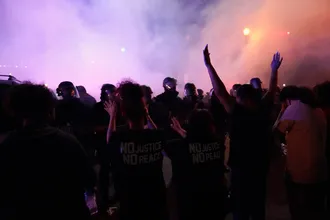
An unprecedented press freedom crisis has been unfolding around the country for the past three months.

A disturbing federal assault on journalists is unfolding in Portland.

An unprecedented assault on press freedom has been carried out by police since the George Floyd protests started in May.

Freedom of the Press Foundation believes Black lives matter, and we support the efforts of activists and protesters exercising their First Amendment rights to take a stand against police brutality.

Over 80% of the assaults on journalists have come from police, not protesters.

In the days since the nationwide protests over the killing of George Floyd began in Minneapolis, attacks on journalists and press freedom have been recorded at an unprecedented level. The U.S. Press Freedom Tracker is investigating or has confirmed 242 such incidents—including physical assaults, arrests, damaged equipment, and more.

This morning, viewers watching CNN for coverage of the ongoing protests in Minneapolis instead witnessed an unbelievable curtailment of press freedom, as an entire film crew was arrested — on air — apparently without even being notified of the cause of their arrest.

The same week that President Donald Trump traveled to Orlando, Florida, to announce his bid for reelection, his escalating negative rhetoric against the media reached an all-time high.
Join our email list to stay up to date on the issues and learn how you can help protect journalists and sources everywhere.


